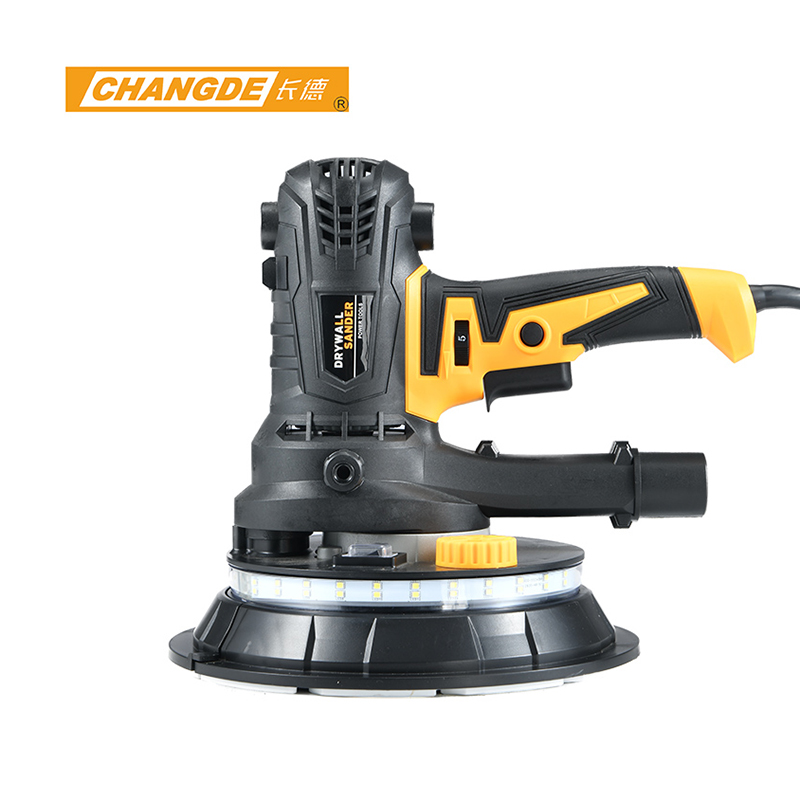
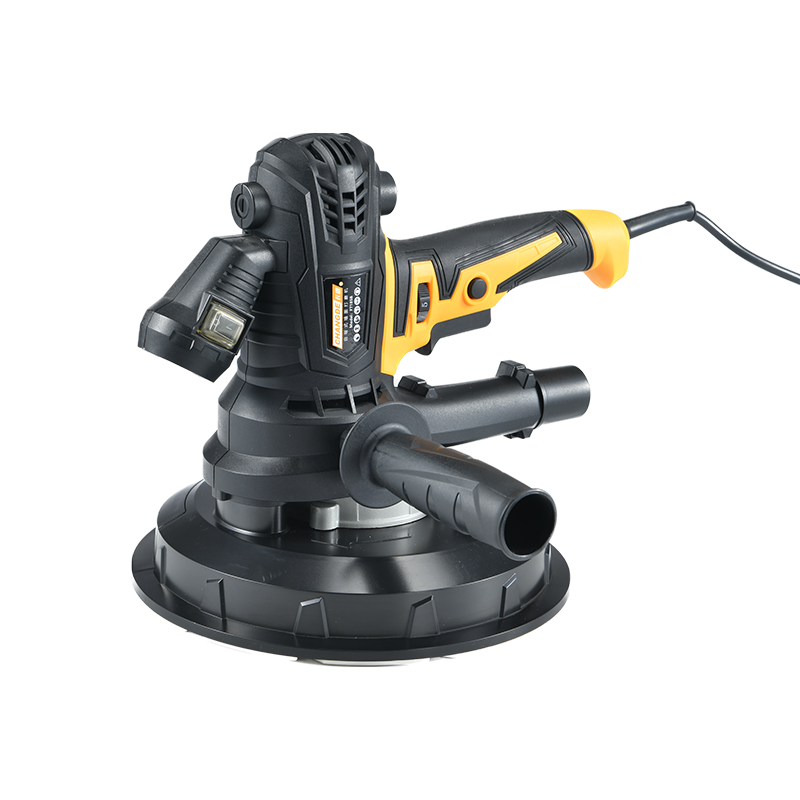
How to Sand Drywall Smoothly Using an Electric Sander

By:Admin on 2025-12-08 02:15:07

**Efficient Techniques for Sanding Drywall Using Electric Sanders**Sanding drywall is a critical step in the process of achieving smooth, professional-quality walls and ceilings. As construction and renovation projects continue to grow, professionals and DIY enthusiasts alike seek efficient methods to streamline their workflow. One technique gaining popularity involves the use of electric sanders for drywall finishing. This method not only speeds up the sanding process but also provides an even and consistent finish, essential for a polished look.**Advantages of Electric Sanders for Drywall**Traditional drywall sanding using hand sanding blocks or sanding sponges can be time-consuming and labor-intensive. Electric sanders, on the other hand, offer significant benefits:1. **Speed and Efficiency**: Electric sanders operate at high speeds, enabling quicker removal of joint compound or uneven textures compared to manual sanding. 2. **Consistent Finish**: The uniform motion and pad rotation help achieve an even surface without gouges or scratches that might occur with hand sanding.3. **Dust Control**: Many electric sanders come equipped with dust extraction attachments or ports, reducing airborne dust that can cause respiratory issues and mess at the worksite.4. **Ergonomics**: With adjustable handles and lightweight designs, electric sanders reduce physical strain, especially during large projects or extended use.**Choosing the Right Electric Sander for Drywall**Not all electric sanders are equally suited for drywall work. The ideal tool must combine power with control, enabling the user to manage the sanding depth to avoid over-sanding the drywall paper or joint compound. Random orbital sanders and drywall-specific pole sanders with electric motors are among the favored options.Key features to consider include:- **Variable Speed Control**: Allows the user to adjust sanding speed for different stages of finishing.- **Dust Extraction System**: Connects to shop vacuums to capture dust at the source.- **Comfortable Grip and Lightweight Design**: Facilitates prolonged use without fatigue.- **Interchangeable Sanding Pads**: Compatible with different grit sizes for sanding and smoothing.**Step-by-Step Guide to Sanding Drywall with Electric Sanders**1. **Preparation**: Before sanding, ensure the drywall compound is completely dry. Remove any obstacles and cover floors to protect from dust. 2. **Selecting Grit**: Start with medium-grit sandpaper (around 120 grit) to smooth rough patches. Progress to finer grits (220 grit) for a polished finish. 3. **Set Up Dust Control**: Attach the sander to a vacuum port if available. Wear a dust mask and goggles to protect from inhalation and eye irritation. 4. **Sanding Technique**: Hold the sander flat against the wall and move in circular or orbital motions. Avoid applying excessive pressure to prevent damage to drywall paper. 5. **Inspect the Surface**: After sanding, wipe with a damp cloth to reveal imperfections and repeat sanding if necessary. 6. **Clean-Up**: Clear all dust and debris before painting or applying primers.**Company Introduction**{Company Name} is a recognized leader in providing professional-grade construction tools and solutions designed to enhance productivity and quality in the building industry. With decades of experience, {Company Name} offers a wide range of equipment supporting drywall finishing, including high-performance electric sanding tools tailored to meet the needs of both contractors and home renovators. Committed to innovation and customer satisfaction, {Company Name} continuously develops products that combine durability, ergonomic design, and advanced features such as dust control, delivering tools that help finish projects faster and more efficiently.**Innovations in Drywall Sanding Solutions**Understanding the challenges faced by professionals in managing dust and achieving perfect finishes, {Company Name} has invested heavily in research and development. Their latest line of electric drywall sanders integrates smart dust collection systems and vibration reduction technology, ensuring a safer, cleaner, and more comfortable working environment.Additionally, {Company Name} offers comprehensive support including user guides, tutorial videos, and customer service to assist users in maximizing the performance of their sanding equipment. By focusing on the end-user experience, {Company Name} stands out as a trusted partner for drywall contractors and DIYers looking to enhance their craft.**Conclusion**Utilizing electric sanders for drywall is a practical approach that can transform tedious finishing tasks into faster, more manageable processes. By selecting the right tools and following proper sanding techniques, professionals can achieve flawless walls ready for painting or decorative finishes. Companies like {Company Name} play a vital role by providing the industry with innovative, reliable sanding solutions that support quality and efficiency on every project.For those undertaking drywall projects, investing time in learning effective sanding methods and choosing high-quality electric sanding tools ensures satisfying results and long-term durability of surfaces. As renovation and construction demands evolve, electric sanding technology will continue to be an indispensable part of modern drywall finishing workflows.

Read More

Sure! Please provide the original title or the news content related to the Power Sander so I can create an SEO-friendly title for you.

By:Admin on 2025-12-04 01:53:53

Certainly! Please provide the company introduction and the specific news content about the Power Sander you’d like me to use for the article.

Read More

How to Sand Drywall Without Creating Dust: Effective Dust-Free Techniques

By:Admin on 2025-12-01 02:14:18

Certainly! Below is an 800-word news article on sanding drywall without dust, constructed without any brand names, and incorporating a general company introduction placeholder that you can fill in as needed.---**Innovative Methods for Sanding Drywall Without Dust Revolutionize Construction Sites**In the construction and renovation industry, drywall sanding is often regarded as one of the messiest and most labor-intensive tasks. The pervasive dust generated during sanding not only complicates the cleanup process but also poses health risks to workers, homeowners, and occupants. To address these challenges, new techniques and tools designed to minimize or eliminate drywall dust are transforming worksite efficiency and safety.**The Dust Problem in Drywall Sanding**Sanding drywall is essential for creating smooth, flawless walls before painting or finishing. However, it generates a fine dust composed mainly of gypsum particles, which can linger in the air for hours. This dust not only contaminates the surrounding environment but also causes respiratory irritation, eye discomfort, and can aggravate existing health conditions such as asthma.Conventional sanding practices often require extensive masking, frequent cleaning, and protective gear, all of which add to labor costs and project times. Moreover, airborne dust can settle on furniture, fixtures, and flooring, causing additional cleaning frustrations for both professionals and homeowners.**Emerging Dust-Free Sanding Solutions**To mitigate the drawbacks of traditional sanding, several innovative approaches have emerged that enable drywall finishing with minimal dust emission. These advancements include specialized sanding tools equipped with dust collection systems, novel sanding materials, and alternative finishing methods.One popular method involves the use of sanding pole tools integrated with vacuum attachments. These enable the simultaneous sanding and dust extraction, capturing most of the particles at the source. As a result, the airborne dust is dramatically reduced, maintaining cleaner air quality on site. The vacuum systems are often connected to portable dust collectors or shop vacuums, which use high-efficiency filters to trap fine particulates.In addition to equipment, modified sanding papers and sponges have been developed with abrasive surfaces designed to minimize dust generation while maintaining effective smoothing capabilities. These materials often hold captured dust within their structure, preventing it from dispersing into the air.Another approach being explored is wet sanding, which involves lightly misting the drywall surface with water to trap dust particles during sanding. Though not new, wet sanding is seeing a resurgence as environmental and health concerns grow. However, it requires careful application to avoid damaging drywall and prolonging drying times.**Health and Environmental Benefits**Adopting dust-reducing drywall sanding techniques contributes significantly to occupational health and safety. Reducing exposure to gypsum dust lowers the risk of respiratory ailments and skin irritation among workers. It also creates a safer environment for clients, especially in residential settings where children, elderly, and individuals with preexisting respiratory conditions may be present.Environmentally, minimizing construction dust helps comply with increasingly stringent indoor air quality regulations and green building standards. Cleaner worksites also decrease the burden on ventilation systems and reduce post-construction waste cleanup.**Industry Adaptation and Training**As demand grows for cleaner drywall finishing methods, contractors and construction companies are investing in modern sanding equipment and worker education. Training programs focus on proper use of dust-capturing tools, maintenance of vacuum systems, and best practices for dust management throughout the workflow.Furthermore, some firms are integrating dust-free sanding solutions into their marketing, highlighting their commitment to healthier job sites and client satisfaction. The initial investment in dust-reducing technology often pays off by enhancing productivity through reduced cleanup time and minimizing health-related worker absences.**Company Overview**{} is a leader in the construction tools industry, dedicated to innovating practical solutions for tradespeople. With a focus on quality, durability, and user safety, the company develops tools and equipment that meet the evolving needs of contractors and professionals alike.Committed to environmental responsibility and worker health, {} consistently integrates dust reduction technologies into its product lines. The company supports its customers through comprehensive training resources, ensuring that new technologies are employed effectively to maximize benefits on every job site.**Future Outlook**The trend toward dust-minimizing drywall sanding is expected to continue gaining momentum across the construction sector. Advances in technology, such as improved HEPA filtration, robotic sanding aids, and smart dust exposure monitoring devices, promise to further enhance worker safety and site cleanliness.Moreover, regulatory bodies may impose stricter guidelines regarding airborne particulate control on construction sites, incentivizing broader adoption of dust-control measures. As awareness of occupational health grows, dust-free drywall sanding is likely to become standard practice rather than a niche option.**Conclusion**The move towards sanding drywall without dust marks a significant step forward for the construction and remodeling industries. By embracing modern dust collection tools, innovative abrasives, and refined techniques, professionals can deliver higher-quality finishes while protecting their health and improving job site conditions.Organizations like {} play a crucial role in this transformation, driving innovation and education that empower contractors to adopt safer, cleaner, and more efficient drywall sanding methods. As these technologies become more accessible, they promise to reshape standards for drywall finishing, benefiting workers and clients alike.---If you provide the specific company name and details, I can customize the company introduction section accordingly. Let me know if you'd like me to do that or make any adjustments!

Read More